


What Does It Mean to Be a Male in a Matriarchal System?
A year-long leadership cohort for men, rooted in Indigenous governance, matriarchal wisdom and relational practice.
How the year works ↓ • Full cohort begins January 22, 2027
No one is turned away for lack of funds • Led by gkisedtanamoogk, with Maija West as advisor and facilitator
The Path
1 • Exploratory Session
Thu Nov 12, 9 AM PT, live on Zoom. Open to all, no cap.
2 • Full Cohort begins
Fri Jan 22, 2027. Limited to 16 spots.
3 • A year together
Monthly Fridays 11–12:30 PT + weekly partner call.
Rhythm
1 group session / month + weekly accountability call
Contribution
$40–$400 sliding scale for Full Cohort
Who “men” means
People with lived experiences as men
The Question
“The quiet suspicion that the way things are is not the way things have to be."
What the structure asks of men
Narrow what you're allowed to feel and need. Perform strength that was never yours. Hold up structures that are visibly failing, without language or community.
What becomes possible
Real, meaningful roles as hunters, defenders, stewards and elders within communities centered on life itself. Care, reciprocity, reverence for the Earth, right relationship.
-
We are living inside a fear-based system. That is not an opinion — it is a description of the structure itself.
For many men, that fear does not always show up as fear. It shows up as anger. As frustration. As a low hum of resentment that is hard to name and harder to shake. It shows up as exhaustion from performing a version of strength that was never really yours. It shows up in isolation, in the sense that something essential is missing, and in the quiet suspicion that the way things are is not the way things have to be.
This is what five thousand years of patriarchal structure does. It narrows what men are allowed to feel, permitted to need, and expected to become. And right now, in this particular moment in history, that pressure is intensifying. The old systems are straining. Men are being asked to hold up structures that are visibly failing — and many are doing so without language, without community, and without a different story to reach for.
This cohort begins there — with honesty about what the structure is and how it lives inside us.
What Does It Mean to Be a Male in a Matriarchal System?
This is the central question this cohort is built around. Not as a political question, but as a lived one.
Before patriarchal systems took hold, life was organized differently. Men held real and meaningful roles — as hunters, defenders, stewards, and elders — withincommunities centered on the feminine principle of life itself. The longhouse. The land. The continuity of generations. That is not ancient history. It is a memory of what is possible.
This cohort invites men to re-examine the narratives they have inherited and to ask: what else can there be? What becomes available when men consciously reorient toward values of care, reciprocity, reverence for the Earth, and right relationship with the women and communities around them? Can we bring a communal style of life — rooted in mutual responsibility, shared belonging, and intergenerational care — into the way we live in North America today?
These are not small questions. They take time. That is why this is a year-long commitment.
Led primarily by gkisedtanamoogk, a Wampanoag elder and practitioner of traditional Indigenous governance, this cohort draws on Indigenous teachings, the map of consciousness, and practical relational tools to support men in doing this work over time. Maija West joins as advisor and facilitator when needed, bringing her background in matriarchal governance and organizational change.
The structure includes one monthly group session plus a weekly accountability call with a partner in between — a dedicated rhythm designed to support real integration, not just reflection.
This is not a course about acquiring more information. It is an invitation to look clearly at the system we are living inside, to understand what it has cost us, and to practice — together — a way of living that honors the feminine all around us: in the land, in community, and in ourselves.
When we say men, we refer to people with lived experiences as men.
The Year (Rhythm)
Monthly circle
90 minutes, live online
Weekly partner call
Accountability between sessions
Indigenous teachings
Led by gkisedtanamoogk
Map of consciousness & relational tools
Practical, applied
Designed for integration, not just reflection.
Is This The Right Season? (Fit)
This work will ask something of you
Old grief, anger and shame may surface. That is the process, not a malfunction.
Come with
Some capacity to stay present with what arises, and honesty about your limits.
Consider waiting if
You’re in acute crisis, early recovery, or carrying trauma not yet worked with elsewhere. We’ll point you to support and welcome you when ready.
You’re protected
Nothing is compulsory. What’s shared stays in the group. You can step back at any time, with care.
Facilitators
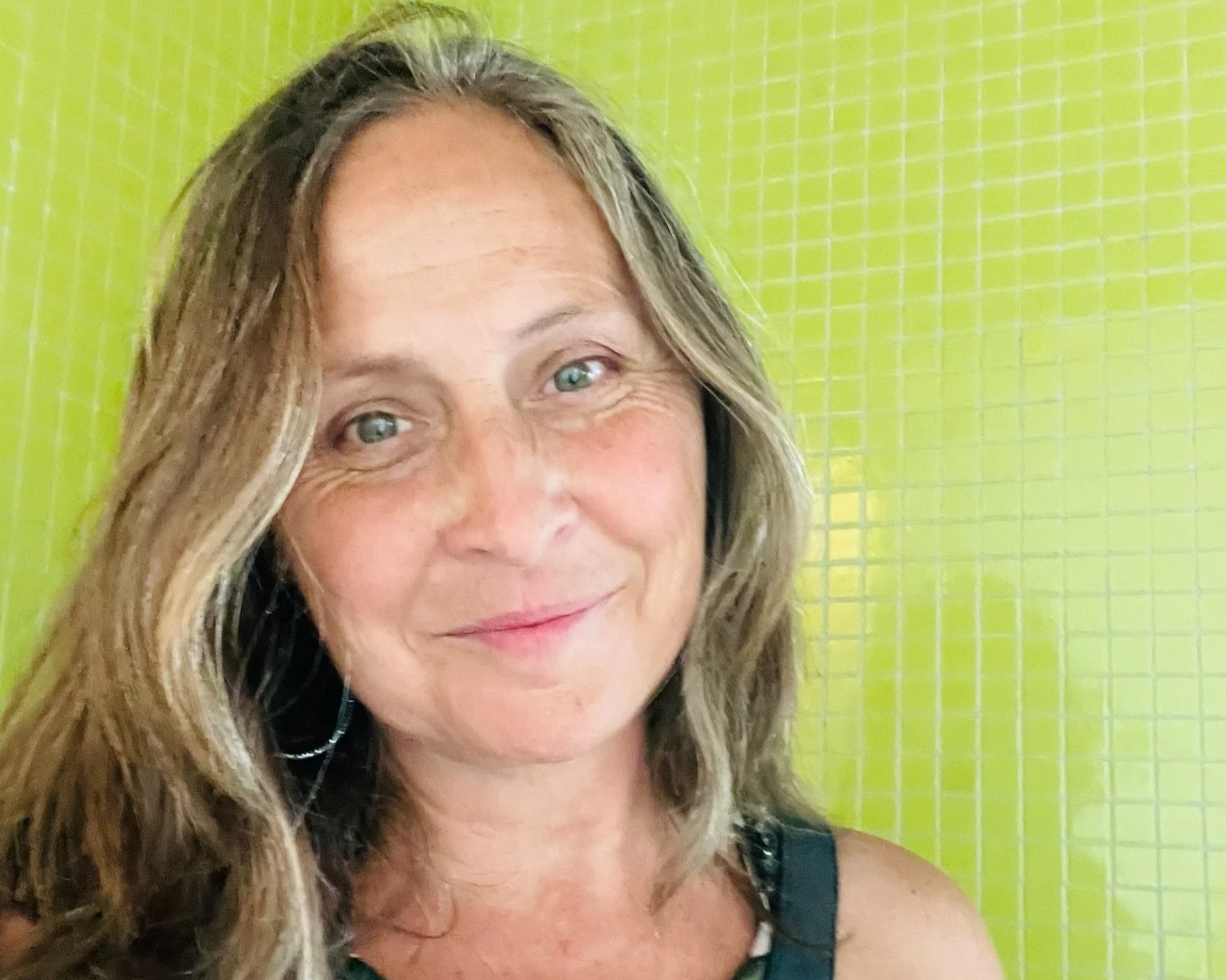
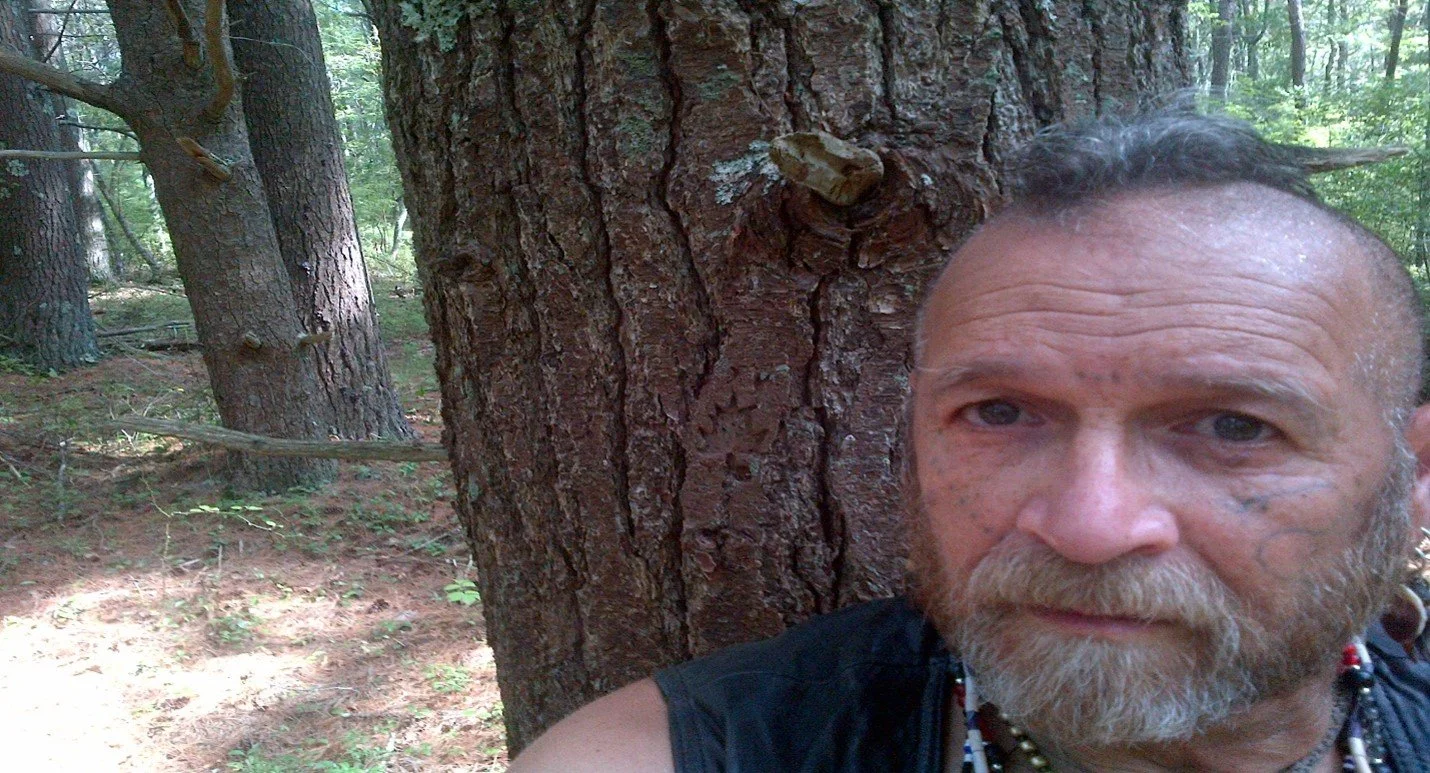
-
Maija Danilova West is a business consultant, mediator, and peacemaker with fifteen years of practice as an attorney in land use, business law, philanthropy, and nonprofit governance. She has advised nonprofits, foundations, Tribal Nations, businesses, and public agencies across all three sectors on governance, conflict resolution, and organizational change.
A dual citizen of Latvia and the United States, Maija's governance work is informed by the matrilineal cultural traditions of her Latvian heritage and by twenty-five years of practice alongside Indigenous communities, including her work as co-founder of the Healing and Reconciliation Institute.
She disclaimed her law license as an act of conscience, having concluded that the current US legal system — in all three of its branches — structurally supports patriarchy. She now works to help practitioners build governance structures that hold what the triangle cannot: lineage, community, ecological accountability, and the long future.
She is the author of Matriarch Makeover: A 30-Day Invitation and the forthcoming From the Triangle to the Circle: Matriarchal Governance Design.
Former attorney (15 yrs), mediator, peacemaker. Co-founder, Healing and Reconciliation Institute. Author, Matriarch Makeover.
Maija Danilova West
Wampanoag elder and practitioner of traditional Indigenous governance. Former Commissioner, Maine Wabanaki State Child Welfare TRC; faculty, Upstander Academy.
gkisedtanamoogk
-
gkisedtanamoogk is Wampanoag from the Native Community of Mashpee located on cape cod south of boston, massachusetts; he is family member of Nkeketonseonqikom, the Longhouse of the Otter, and T8nuppatonseonqikom, the Longhouse of the Turtle; married to Miigam’agan, together with three Children and four Grandchildren. He was one of five Commissioners on the Maine Wabanaki State Child Welfare Truth and Reconciliation Commission and taught for 10 years at the University of Maine, Orono Campus as an Adjunct Instructor and lecturer in the Native American Studies and the Peace and Reconciliation Programs. Since 2016 gkisedtanamoogk joined the faculty of the 6-day Upstander Academy, a summer teacher professional learning program highlighting Indigenous Peoples’ challenge to false narratives of american education.
His applied occupation includes Cultural and Legal Theory with particular interests pertaining to the social, political, legal, scientific, and spiritual Life of Wampanoag and Wabanaki Nations; he also engages in many activities of advocacy and interest to Indigenous Peoples including, Indigenous Law, Science, Linguistics, and Education.
Presently, gkisedtanamoogk is a member of the Kairos Indigenous Rights Circle, Kairos initiated climate change program, For the Love of Creation, and a faculty member of the Upstanders Academy
gkisedtanamoogk resides with his Family at Esgenoôpetitj on the Burnt Church Reserve, occupied by new brunswick canada.
Register
1 • Exploratory Session
Thu Nov 12 • 9 AM PT • Live on Zoom • Open to all, no cap
2 • Full Cohort
Starts Fri Jan 22, 2027 • Monthly on Fridays 11–12:30 PT + weekly partner calls • 16 spots • $40–$400 sliding scale suggested contribution for the Full Cohort, and no one turned away for lack of funds
FAQ
-
People with lived experiences as men.
-
No, but it is recommended so that you can meet the facilitators and have a sense of what the Full Cohort will be like.
-
Sliding-scale contribution of $40–$400 for the Full Cohort is suggested. No one is turned away for lack of funds.
-
Monthly session from 11:00-12:30 PT, plus a weekly accountability call.
-
Yes, what's shared stays in the group.
-
If you’ve made a contribution and are unable to attend the Full Cohort, please contact us so that we can reach an agreeable outcome.
Related Offerings

Book Drop In Circle: “Matriarch Makeover”
BOOK CIRCLE

The Book: Matriarch Makeover
BOOK

Matriarch Member Circle
FREE ONLINE COMMUNITY